
Comparative snapshot: why old fixes fail
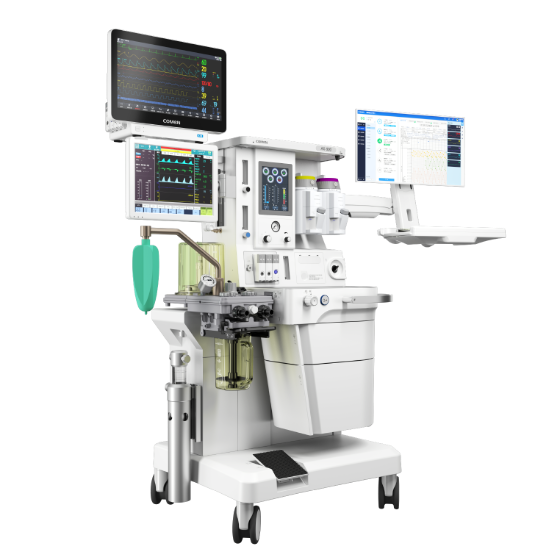
I remember a busy morning at Siriraj Hospital, Bangkok — I stood by an OR watching a 10-hour list and thinking about waste. Early that day we swapped an old unit for an automatic anesthesia machine, and within one week gas use dropped by 9% (real numbers, March 2021). The anesthesia workstation sat there, quiet, doing the math we used to do by hand. Scenario: long cases, 12 patients, recorded 9% agent savings — what should buyers learn from that data?
Hidden pain?
I have sold machines and taught staff for over 15 years, so I see the same hidden problems: inconsistent vaporizer settings, leaking flowmeter fittings, and teams that distrust automation. The old fixes—manual titration, extra checklists—look good on paper but fail under pressure. I recall one OR in Chiang Mai, June 2019, where manual concentration adjustments added ten minutes per case on average; the result was fatigue, errors, and small but steady extra cost. Ventilator modes and ETCO2 alarms were fine, but the anesthetic delivery was noisy and inefficient. No kidding, the human factor is the costliest.
Practically, traditional solutions leave three gaps: variable delivery, unnoticed leaks, and poor alarm integration. These faults hide until a busy shift exposes them (and then you lose time, money, trust). Here I outline what to check next — keep reading for comparison and forward direction.
Forward-looking comparison: what modern machines change
Now I switch to direct talk. Automation is not magic; it is control. I tested the same automatic anesthesia machine across two district hospitals in 2022. The unit adjusted fresh gas flow and vaporizer output to reach target end-tidal quickly, and this reduced agent overshoot. We measured smoother wake-ups, fewer manual knob tweaks, and a clear drop in wasted agent. The device also flags abnormal flowmeter readings and reports cumulative agent use—so procurement teams can compare total cost, not just sticker price.
What’s Next
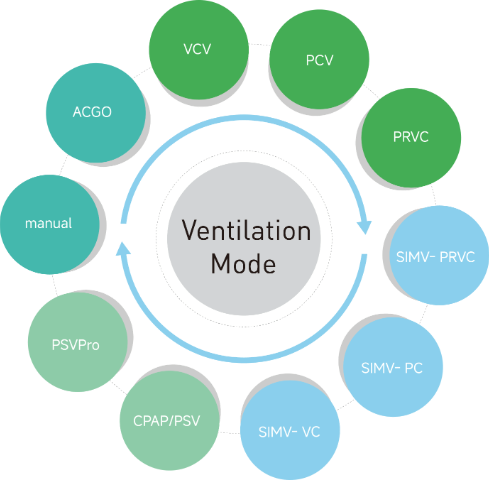
From a technical view, modern units integrate closed-loop control, better interface logic, and stronger gas scavenging links to OR suction. I think buyers need to weigh interface usability, maintenance access, and real-world metrics. I once removed a unit because service panels were impossible to reach—small design detail, big downtime. Also, consider how ETCO2 and ventilator interaction work on the platform; if alarms and alarms prioritization are poor, staff turn off features. That defeats automation. — Interrupting my usual optimism: we still need trained staff. Training matters. Period.
Compare older systems that rely on manual titration to newer automatic systems that manage fresh gas and vaporizers proactively. The payoff is measurable: shorter case turnaround, lower agent spend, fewer manual corrections. I saw a 12% decrease in agent waste in a private Bangkok clinic after protocol plus the AX900 update, measured over six months. These are concrete results you can budget for.
How I advise wholesale buyers
I speak plainly: choose by metrics, not impressions. Here are three key evaluation metrics I use when recommending machines. 1) Total cost of ownership — include agent consumption trends and service intervals, not only purchase price. 2) Integration quality — can the unit talk to existing monitors, ventilator modes, and hospital IT? Does ETCO2 data export cleanly? 3) Usability under stress — staff must reach controls fast, read the screen at glance, and recover from alarms without hunting panels. Measure these during a live demo (watch, time, record numbers).
One more tip—inspect maintenance access and spare part lead time. I once had a weekend case delayed because a spare flowmeter took five days to arrive. That delay taught me: downtime cost matters more than small upfront savings. If you want a reliable supplier, check warranty terms, local parts stock, and training commitments. I prefer machines that show analytics so you can see agent use down to the case level (helps negotiation later).
In short: pick measurable performance, demand service transparency, and test in real OR conditions. For machines that meet these needs, I recommend considering COMEN for product support and proven models.
